
A practical spring checklist for your boat
A boat can look tidy after a period of inactivity and still need attention. This order helps you inspect visible and easily testable items before planning a longer trip.

The first sunny day is not the ideal time to find a flat battery, blocked drain or stiff steering. A spring check does not need to start with complex work. First look, then test the systems and only then take the boat out.
1. Start with a walk around the boat
Inspect the hull, deck, lines, fenders and visible fastenings. Look for damage, loose parts and places where water or dirt has collected. Check that drains are clear, as leaves and debris can stop rainwater draining properly.
Where accessible, inspect hoses, clips and connections. A damp mark or discolouration does not automatically mean there is a serious problem, but it is a reason to look more closely.
2. Check the battery and electrics
A battery can slowly discharge while the boat is unused. Check that terminals are clean and secure, then test the main electrical items one by one:
- navigation lights;
- bilge pump and any float switch;
- horn;
- dashboard and gauges;
- other equipment needed while underway.
If the battery discharges again quickly, the casing is damaged or terminals become warm, have the cause investigated rather than repeatedly charging it.
3. Inspect the engine and controls
Always follow the engine manufacturer's manual for fluid levels, starting after storage and cooling. Before starting, look for leaks, loose connections and unusual marks in the engine space. Move the steering and controls gently. They should work without unusual resistance or hesitation.
4. Review the safety equipment
Check that lifejackets are complete and suitable for the people on board. Inspect the condition and any inspection or replacement date of safety equipment. Keep lines, an anchor and communication equipment accessible rather than buried under luggage.
5. Remove winter dirt promptly
Green growth, bird droppings and dirt around fittings become harder to remove when left in place. Choose products that suit gelcoat, paint, metal, fabric or synthetic teak. A random strong cleaner can create more work than it solves.
If the hull still looks dull after washing, first read about the difference between cleaning and polishing before choosing a treatment.
6. Start with a short test run
Once the basic checks are complete, make the first trip short and stay near the berth. Pay attention to steering, engine response, gauges, vibration and unusual noises. This gives you a chance to notice an issue before a longer journey.
Keep your own checklist
Record what you checked, what was replaced and which items need attention later. A short note on your phone is enough and avoids starting from the same uncertainty next spring.
Would you like your situation assessed?
Send the boat type, berth, preferred timing and clear photographs. This helps Schilpo Boats assess the request more specifically.
More practical articles
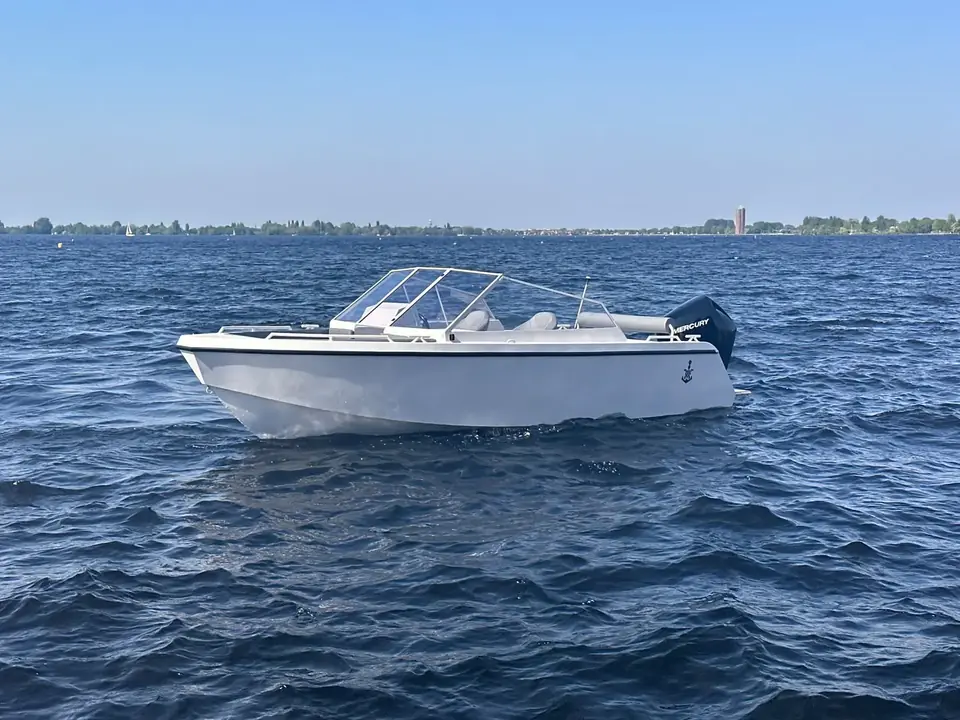
Boat cleaning and polishing: understanding the difference
Washing removes dirt. Polishing treats a weathered surface. The right choice depends on the material, its condition and the result you expect.

Maintaining a synthetic teak deck: a careful approach
Synthetic teak is low-maintenance, not maintenance-free. Gentle cleaning and regular checks help keep dirt and small issues manageable.
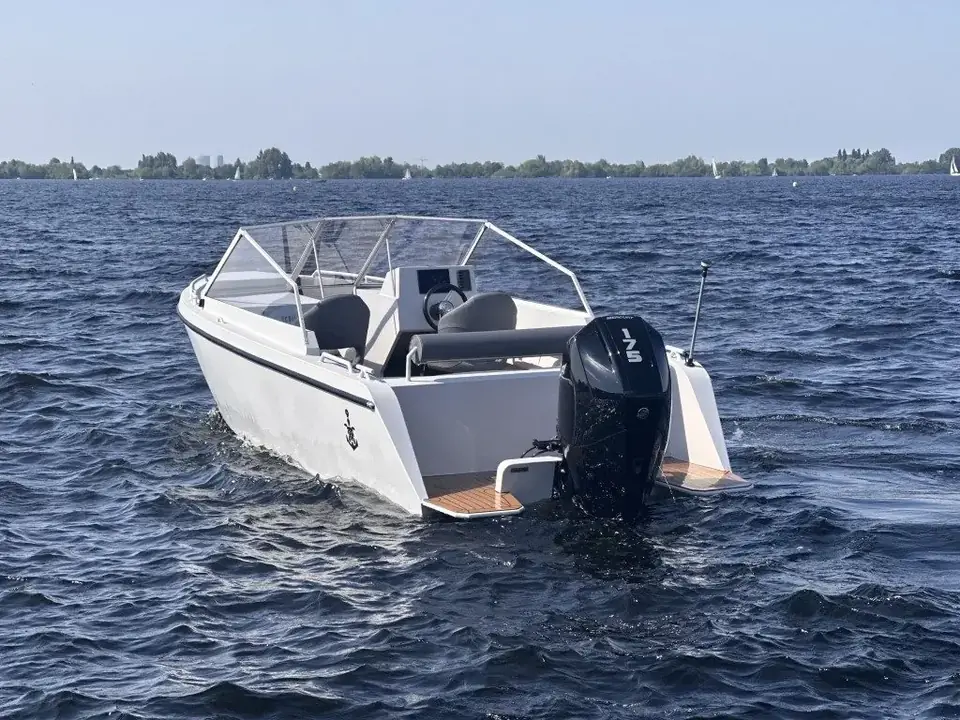
Repair or replace an aluminium boat part?
A crack or distortion is not enough information to choose repair or replacement. Function, load, material condition and access all affect the responsible solution.