
What determines the cost of boat cleaning?
A price per metre sounds simple, but it does not show how much work a particular boat needs. These factors explain why boats of the same length can require different assessments.

Boat cleaning is not determined by length alone. Height, shape, access and the number of different surfaces have a considerable effect on the time and products required.
1. Size, shape and working area
A long, low hull may be easier to reach than a shorter boat with a high superstructure, extensive fittings and several levels. It also matters whether the work covers only the hull, or includes the deck, cockpit or interior.
2. Type and amount of contamination
Loose dust needs a different process from green growth, grease, soot, bird droppings or long-standing water marks. Local contamination can sometimes be treated separately. Neglected surfaces often need several steps.
3. Material and current condition
Gelcoat, paint, aluminium, stainless steel, glass, fabric and synthetic teak require their own products and methods. A clean but dull surface may need different work from a glossy surface with dirt on it. Damage and previous repairs should remain identifiable rather than being disguised by a gloss treatment.
4. The required result
Washing alone is a different job from deep cleaning, polishing and protection. Agree which areas are included and what outcome is realistic. “Polish the entire boat” is too broad for an accurate assessment without further detail.
5. Location, access and facilities
Access to the boat, available working space and rules at the location all matter. State whether the boat is afloat, ashore or inside, and whether the marina imposes any restrictions.
How to make a focused request
Send the boat type, length, berth, areas to be treated and clear photographs. Explain what you mean by the required finish. This prevents cleaning and polishing from being treated as the same process.
Also read when cleaning is enough and when polishing should be considered.
Would you like your situation assessed?
Send the boat type, berth, preferred timing and clear photographs. This helps Schilpo Boats assess the request more specifically.
More practical articles

A practical spring checklist for your boat
A boat can look tidy after a period of inactivity and still need attention. This order helps you inspect visible and easily testable items before planning a longer trip.
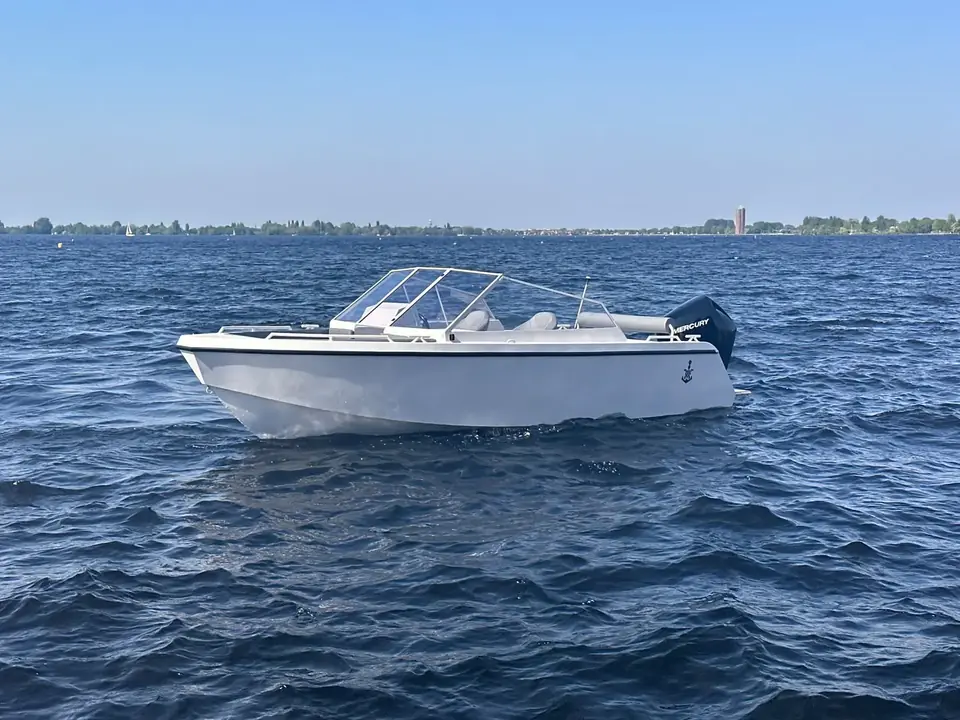
Boat cleaning and polishing: understanding the difference
Washing removes dirt. Polishing treats a weathered surface. The right choice depends on the material, its condition and the result you expect.

Maintaining a synthetic teak deck: a careful approach
Synthetic teak is low-maintenance, not maintenance-free. Gentle cleaning and regular checks help keep dirt and small issues manageable.