
Which photos help with a boat service quote?
One close-up shows damage, but often not where it is, how large it is or how the part is attached. A short, consistent photo set provides much better context.
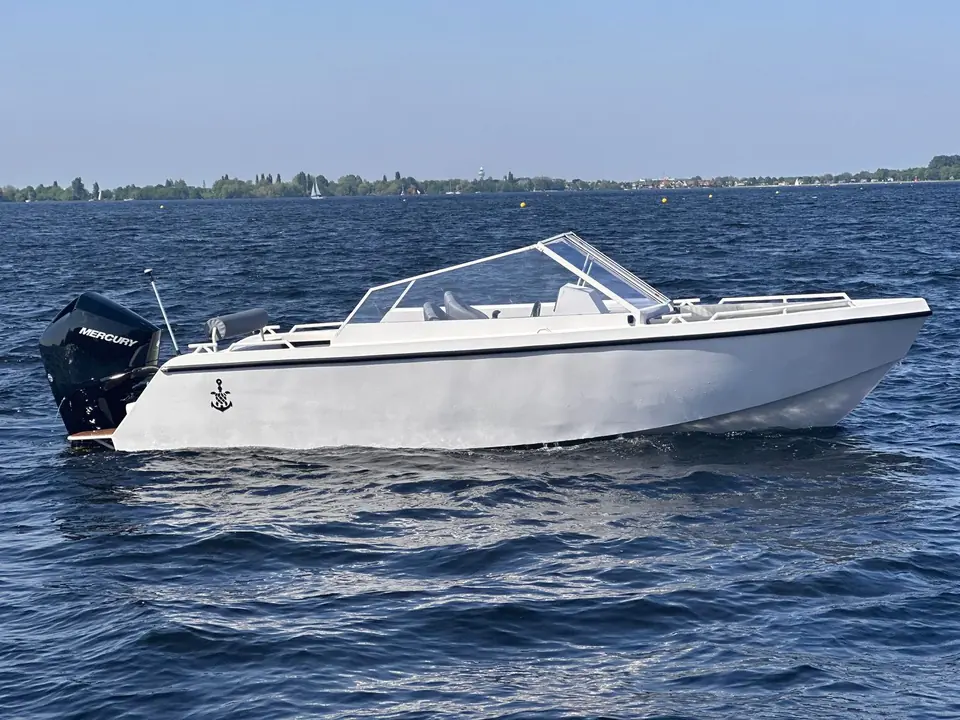
Photographs do not replace an inspection, but they can make a request easier to understand. The most useful set moves from wide to close: first the boat and location, then the component, and finally the damage or proposed change.
1. Start with an overview and context
Take an image showing the entire boat or the relevant area. Add a second image that makes the location of the component clear. For work at the berth, a photograph of the jetty and available working space is also useful.
2. Photograph details and dimensions
Take sharp close-ups from several angles. For damage or custom work, place a tape measure or ruler beside the component without covering important details. Include dimensions in writing as well, because perspective can distort a photograph.
3. Show fixings, the reverse side and access
A part can appear simple from the visible side while being difficult to reach from behind. Where safe, photograph fixings, existing welds, cables, hoses and surrounding components.
4. Use daylight and avoid filters
Take images in good light and tap the damaged area so the phone focuses on it. Do not apply a colour filter. A short, steady video may help to show movement, play, sound or a larger surface, but include separate still images too.
5. Include these details
- boat type and, when relevant, year;
- berth and accessibility;
- material, if known;
- what happened or what you would like made;
- preferred timing;
- your phone number or email address.
Do not send identity documents, payment details or unnecessary personal information. Boat and contact details are normally enough for an initial assessment.
Would you like your situation assessed?
Send the boat type, berth, preferred timing and clear photographs. This helps Schilpo Boats assess the request more specifically.
More practical articles

A practical spring checklist for your boat
A boat can look tidy after a period of inactivity and still need attention. This order helps you inspect visible and easily testable items before planning a longer trip.
Boat cleaning and polishing: understanding the difference
Washing removes dirt. Polishing treats a weathered surface. The right choice depends on the material, its condition and the result you expect.
Maintaining a synthetic teak deck: a careful approach
Synthetic teak is low-maintenance, not maintenance-free. Gentle cleaning and regular checks help keep dirt and small issues manageable.