
Preparing an outboard engine for winter: what to check
Leaving an outboard unused for months without preparation may lead to starting, cooling or corrosion problems in spring. The exact procedure varies by make, model and fuel system.
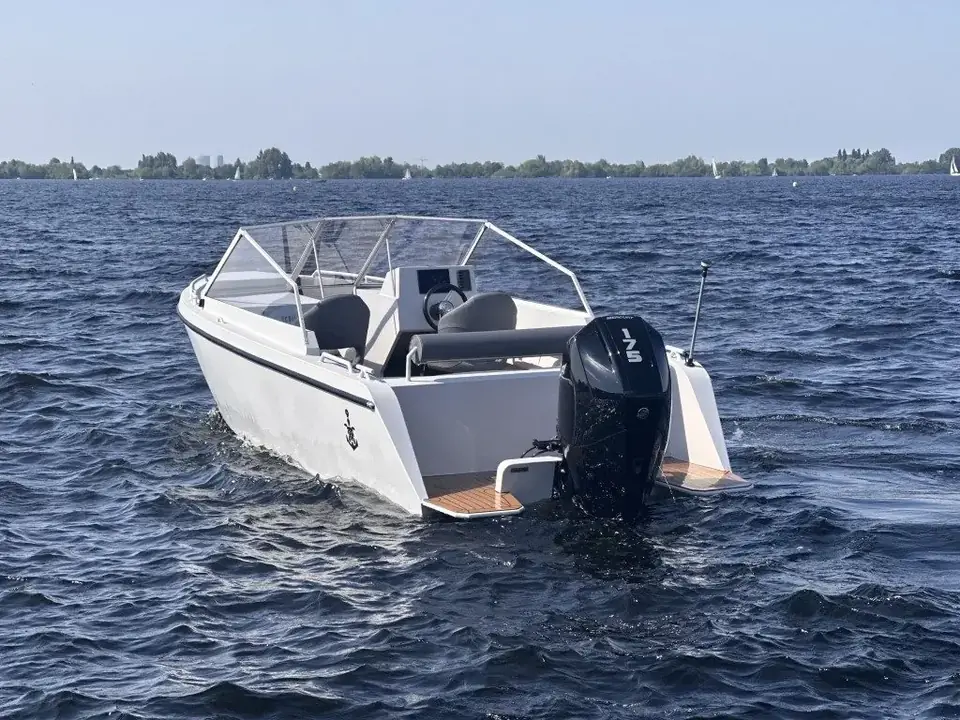
Start with the engine serial number and the correct manual. This avoids applying generic advice intended for another engine. Then work methodically through inspection, cooling, fuel, lubrication, storage and record-keeping.
1. Find the procedure for this exact engine
Record the make, model, power and serial number. Find the service and storage instructions for that engine. Two-stroke, four-stroke, fuel-injected, carburetted and electric outboards do not share the same requirements.
Check which tasks belong to scheduled servicing. Winter preparation is a sensible time to combine inspections, but only at the prescribed interval.
2. Inspect before running or dismantling
Look for leaks, damaged hoses, loose cables, propeller damage, anode condition and visible fastenings. With the engine safely isolated, remove material wrapped around the propeller and inspect it. A dent, strong vibration or leak warrants further assessment.
3. Protect the cooling system as specified
Salt, sand and growth can restrict cooling passages. Flushing and draining must follow the engine manual and use the correct water supply. Never run a combustion engine dry; even a short period may cause damage.
During a prescribed flush, check that the cooling-water tell-tale behaves normally. If it remains weak or absent, stop and investigate.
4. Do not treat the fuel system by habit
The correct approach to stored fuel, additives and the fuel system varies by engine and fuel type. Use only products permitted by the manufacturer and follow the stated ratio and procedure. Old or contaminated fuel needs safe disposal, not guesswork or dilution.
Work in good ventilation, avoid spills and keep ignition sources away. Stop if you smell a strong fuel odour or see a leak.
5. Check lubrication and corrosion protection
Check oil or lubricants for level and unusual appearance as the manual directs. Milky, watery or metallic-looking fluid may indicate a fault. Have the cause assessed rather than simply replacing the fluid and storing the engine.
Inspect anodes and exposed metal. Replace or protect them only with materials specified for the engine and application.
6. Store it correctly and record the work
The correct storage position helps water drain and avoids unnecessary load; follow the engine instructions and storage-site rules. Secure portable tanks, keys and accessories, and record any cables or parts disconnected.
In spring, first reverse every winter measure methodically. Start only with the correct cooling arrangement. If the engine does not run, use the guide to starting problems after winter to organise the first checks.
Frequently asked questions
Does every outboard need flushing before winter?
The need and method depend on model, use and water conditions. Follow the manual, use the prescribed water supply and never run a combustion engine dry.
Can I leave the outboard hanging outside?
That depends on its specified storage position, security, storage arrangement and exposure to weather and frost. Check both the engine manual and site conditions.
Is fuel stabiliser always required?
No. Use a compatible product only where the engine or fuel manufacturer permits it, and follow the dosage exactly.
Would you like help with this?
Send the boat type, berth, preferred timing and clear photographs. This helps Schilpo Boats assess your enquiry more accurately.
More practical articles
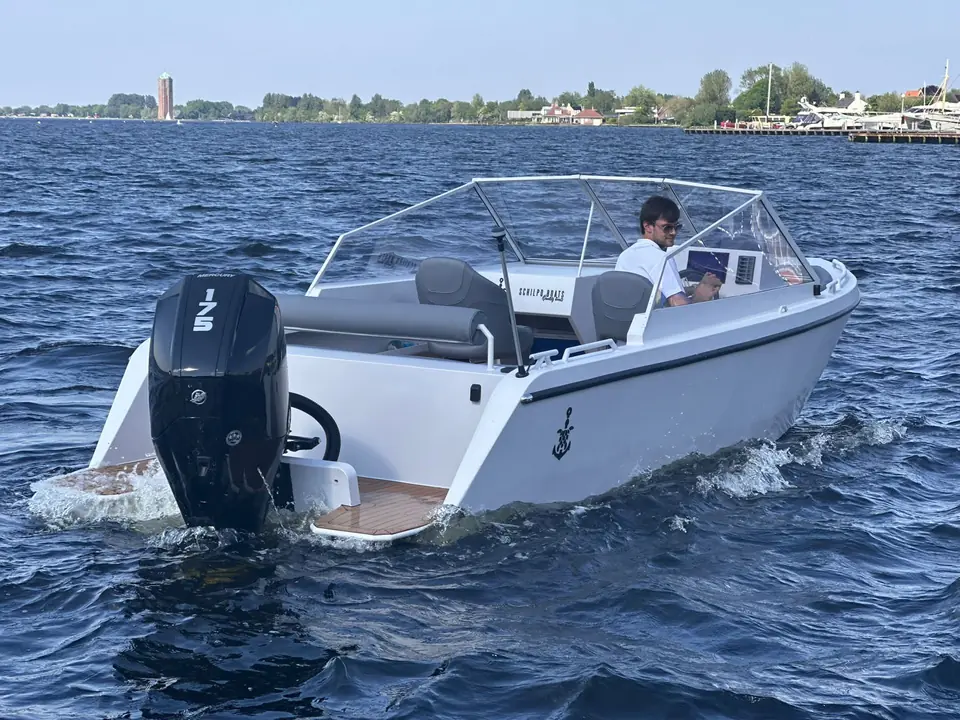
Preparing your boat for winter: a practical checklist
Winter preparation involves more than fitting a cover. Leaving the boat dry, technically checked and with a clear spring list saves unnecessary detective work when the boating season returns.
Boat engine will not start after winter: what to check first
After months of inactivity, it is tempting to try again immediately. First establish exactly what the engine does: no response, slow cranking, normal cranking without firing, or starting and then stopping?

Maintaining a boat battery during winter storage
A battery can deteriorate even when it is barely used for several months. Sound preparation helps prevent loose terminals, parasitic loads and an unsuitable charging routine.