
Boat engine will not start after winter: what to check first
After months of inactivity, it is tempting to try again immediately. First establish exactly what the engine does: no response, slow cranking, normal cranking without firing, or starting and then stopping?
The behaviour during a start attempt determines where to look. Record sounds, warning lights, gauges and smells before disconnecting components. This keeps a simple control issue separate from a technical fault.
1. Describe the starting symptom
Does nothing happen, is there only a click, does the starter turn slowly, does it crank normally without firing, or does it start briefly and stop? These differences lead to different checks.
Stop if you notice a fuel smell, smoke, unusual heat, leakage or harsh mechanical noise. Do not keep cranking in the hope that it will clear itself.
2. Check the basic operating conditions
Check the battery switch, kill cord, neutral position, ignition, interlocks and any starting procedure in the manual. Electric propulsion systems use different enable conditions and fault messages from combustion engines.
Change one thing at a time. If the engine then starts, you need to know which step made the difference.
3. Assess the battery and connections
If lights dim heavily or the starter turns slowly, inspect battery condition, terminals, cables and main connections. A loose or corroded joint may appear satisfactory until starter current is required.
Do not use an arbitrary booster pack until voltage, polarity and procedure have been checked against the installation. Also read the guide to boat-battery care during winter.
4. Check the fuel route without spills
Check the quantity, correct fuel, valves, venting, lines and the specified priming procedure in the engine manual. Old fuel, contamination or water in the fuel may prevent starting.
5. Do not forget cooling once it runs
An engine that fires is not ready for an immediate trip. Check the specified cooling-water supply, instruments and warnings. Do not keep the engine running when cooling is uncertain.
Watch for uneven running, abnormal smoke, vibration and leaks. Stop and investigate before a small warning becomes larger damage.
6. Know when further trial and error is unwise
Repeated clicking, hot cables, a jammed starter, fault codes, contaminated fluid or an engine that appears mechanically locked require focused diagnosis. Record the engine type, serial number, starting behaviour and winter work completed.
Send context and detail photographs. For the rest of the boat, work through the practical spring checklist before planning a test run.
Frequently asked questions
How long may I crank a boat engine?
Follow the maximum cranking time and rest period in the engine manual. Extended cranking can overload the starter, cables and battery without solving the fault.
Why do I hear only a click?
Possible causes include a weak battery, poor connection, unmet interlock, relay fault or starter problem. Inspect and measure systematically rather than bridging components.
Could old fuel be the cause?
Yes. Fuel may deteriorate or become contaminated during storage. Treatment depends on fuel type and engine instructions; dispose of suspect fuel safely.
Would you like help with this?
Send the boat type, berth, preferred timing and clear photographs. This helps Schilpo Boats assess your enquiry more accurately.
More practical articles
Maintaining a boat battery during winter storage
A battery can deteriorate even when it is barely used for several months. Sound preparation helps prevent loose terminals, parasitic loads and an unsuitable charging routine.
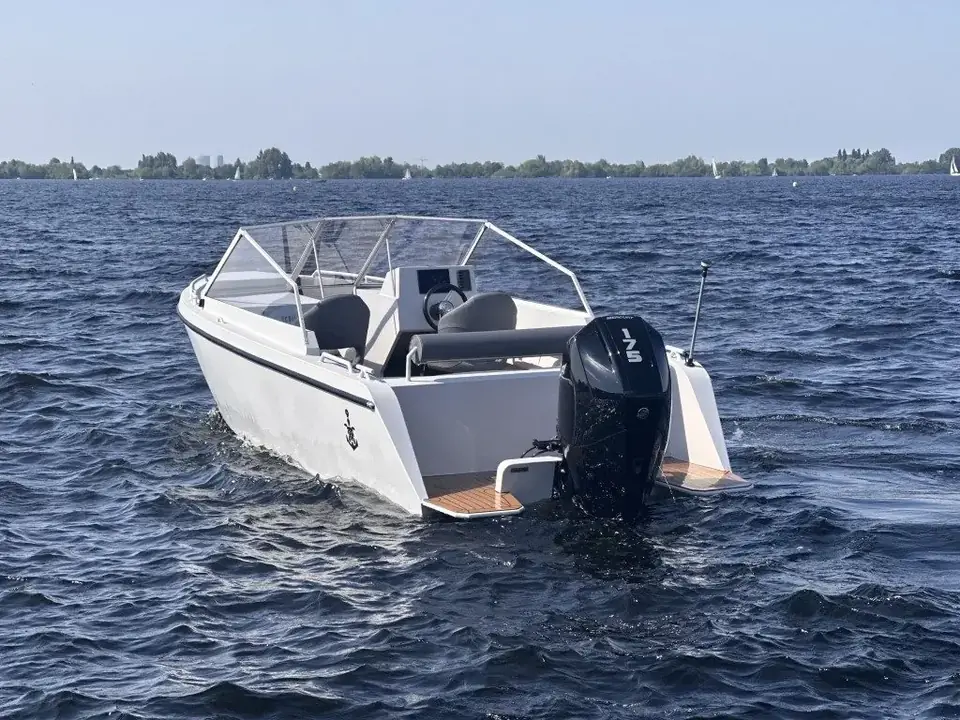
Preparing an outboard engine for winter: what to check
Leaving an outboard unused for months without preparation may lead to starting, cooling or corrosion problems in spring. The exact procedure varies by make, model and fuel system.
Water entering your boat: causes and initial checks
A wet bilge does not necessarily mean a major leak, but rising water must never be ignored. First establish whether the situation is stable; then search for the source methodically.