
Preparing your boat for winter: a practical checklist
Winter preparation involves more than fitting a cover. Leaving the boat dry, technically checked and with a clear spring list saves unnecessary detective work when the boating season returns.
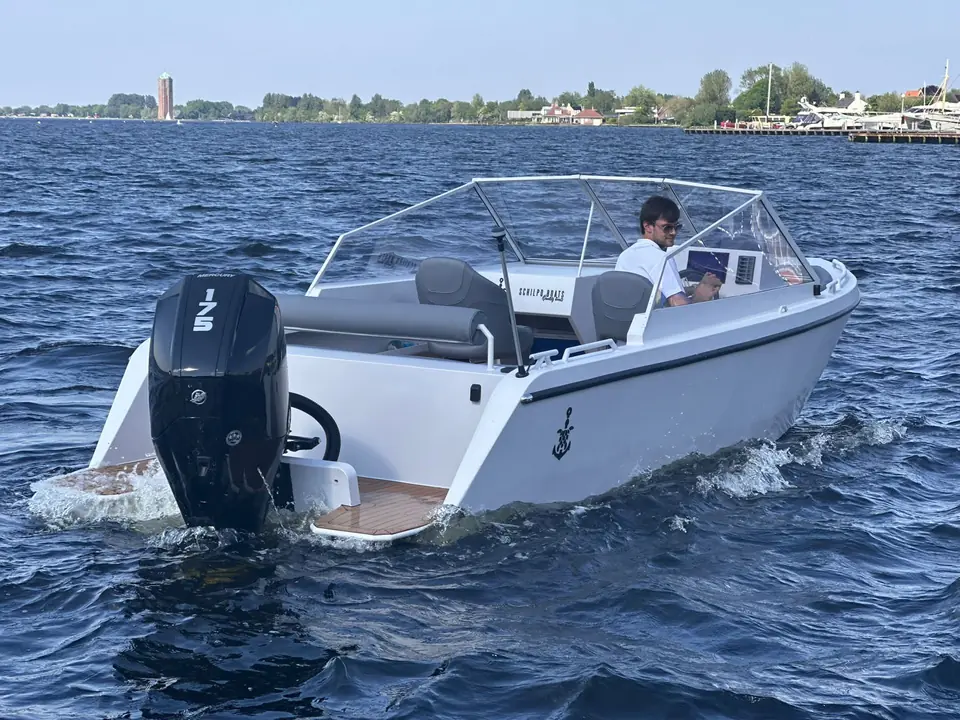
Good winter preparation starts with how you leave the boat, not with the first frost. Clean and dry it first, deal with technical and frost-sensitive items next, then record what has been done. That order keeps the job manageable.
1. Start clean and dry
Remove leaves, grit, food and damp textiles. Dirt retains moisture and makes it harder to tell in spring whether a mark is new. Clear the drains and allow wet lockers to dry fully before closing them.
As you clean, inspect the hull, deck, windows and sealant joints. Record damage or doubtful areas rather than allowing them to disappear beneath winter dirt or a cover.
2. Identify trapped water and frost-sensitive parts
Water left in a pipe, pump, filter housing, toilet or low point may cause damage when it freezes. The parts that need draining or protection depend on the installation. Follow the manuals for each system and use only products intended for that purpose.
3. Follow the engine’s winter procedure
Inboard, outboard, petrol, diesel and electric propulsion systems each need a different approach. Check fluids, cooling, fuel system and corrosion protection in accordance with the engine manual. A general online checklist must not replace those instructions.
Have an unexplained leak, contaminated fluid, damaged hose or cooling concern assessed before the boat stands for several months. For an outboard, also read what to check during winter preparation.
4. Make a plan for the battery and electrics
Switch off consumers and inspect the battery casing, terminals and cables. Whether the battery stays on board, is disconnected or receives maintenance charging depends on the battery type, installation and storage conditions. Use only a compatible charger and follow the battery and boat manufacturers’ instructions.
Record anything you disconnect. The separate guide to battery care during winter storage helps you prepare that plan safely.
5. Combine ventilation with a sound cover
A cover should keep out rain and dirt without forming water pockets or rubbing against sharp fittings. At the same time, trapped moisture needs a route out. Keep ventilation openings clear while preventing rain from entering through open vents.
Take cushions, clothing and other moisture-sensitive items ashore where possible. The guide to preventing damp and mould covers the practical details.
6. Finish with a spring list
Record which seacocks are closed, which fuses or cables are disconnected, which systems have been drained and which maintenance remains outstanding. Add photographs of anything unusual. This shortens the first spring check and reduces the chance of forgetting a temporary winter measure.
Inspect the boat during storage only where the site permits. After storms or heavy rain, look at the cover, supports, lines and any visible water without altering the storage arrangement.
Frequently asked questions
When should I prepare my boat for winter?
Arrange the work before the first risk of frost and before the boat enters a long period of inactivity. Storage and maintenance availability may mean planning earlier.
Is a good cover enough for winter storage?
A cover protects against some weather, but it does not replace checks of moisture, battery, engine, pipework and drains.
Does the battery always need to come off the boat?
Not always. The right approach depends on the battery type, installation, ventilation and storage conditions. Follow the battery, charger and boat documentation.
Would you like help with this?
Send the boat type, berth, preferred timing and clear photographs. This helps Schilpo Boats assess your enquiry more accurately.
More practical articles

Maintaining a boat battery during winter storage
A battery can deteriorate even when it is barely used for several months. Sound preparation helps prevent loose terminals, parasitic loads and an unsuitable charging routine.

Preventing damp and mould on board
A musty smell after winter rarely has one cause. Damp belongings, cold surfaces, poor air movement and a small leak often combine.
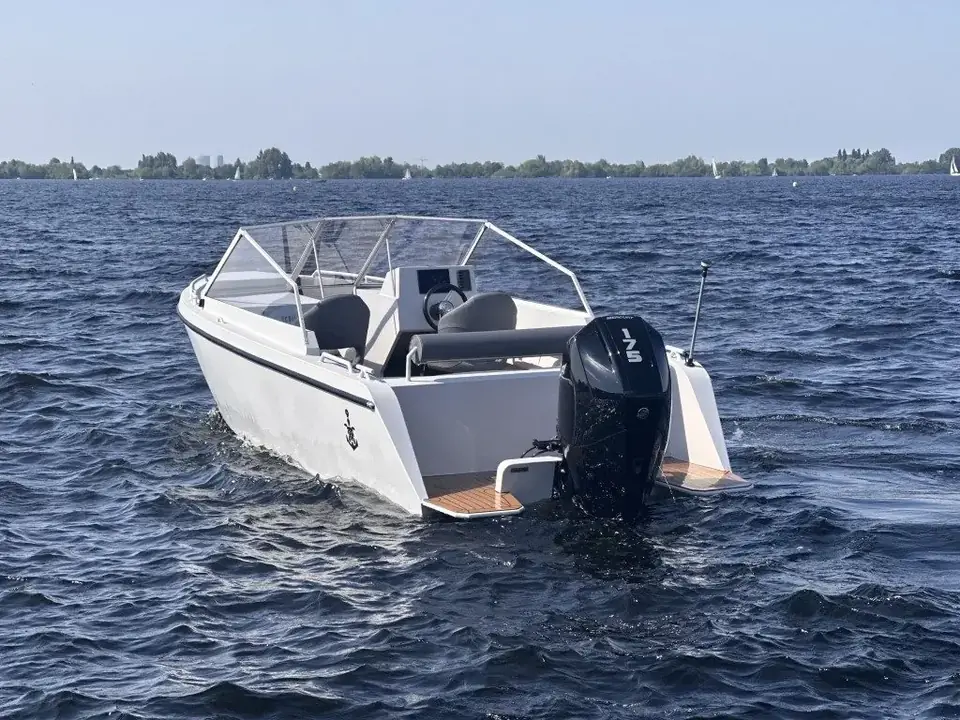
Preparing an outboard engine for winter: what to check
Leaving an outboard unused for months without preparation may lead to starting, cooling or corrosion problems in spring. The exact procedure varies by make, model and fuel system.