
Preventing damp and mould on board
A musty smell after winter rarely has one cause. Damp belongings, cold surfaces, poor air movement and a small leak often combine.

Removing mould without dealing with the moisture source usually gives only temporary relief. First establish whether water is entering from outside, forming as condensation or was already held in materials when the boat was closed.
1. Establish where the moisture comes from
Inspect windows, hatches, deck fittings, sealant joints, hoses, drains and the bilge. Check after rain to see whether a mark grows. Condensation tends to appear more evenly on cold surfaces; a leak more often leaves a local ring, run mark or wet core.
If water is actively entering or the level in the boat is rising, treat it as a leak and follow the initial checks for water entering a boat.
2. Do not leave damp contents on board
Take towels, lifejackets, cushions, clothing and cleaning cloths ashore where possible. If cushions must stay, raise them away from walls and floors so air can move around them. Clean and dry the fridge, wet lockers and storage compartments.
Even a small amount of water left in a bucket, cloth or bilge can release moisture into the air for months.
3. Ventilate without admitting rain
Air movement helps only when vents remain clear and do not allow rain straight in. Check that a cover does not completely close existing vents. Keep routes between compartments open where it is safe to do so.
More ventilation is not automatically better: an opening in the wrong place may admit driving rain or damp outside air. Review the arrangement after a wet, windy day.
4. Prevent water pockets and chafe
A properly supported cover sheds water. A sagging cover forms pools, stretches and may rub against fittings. Check tension points, protection around sharp items and the clear run-off of rainwater.
5. Treat moisture-control devices as support
Moisture absorbers, fans and dehumidifiers can help, but they do not replace repairing a leak or drying wet material. Use only equipment suitable for the space and permitted under the storage-site rules.
Do not leave improvised heaters or electrical equipment running unattended. Empty reservoirs in time and keep collected water from spilling back into the boat.
6. Clean mould in a way that suits the material
Ventilate the space, wear suitable protection and test cleaner on an inconspicuous area. Upholstery, timber, sealant, plastics and painted surfaces do not react in the same way. Aggressive scrubbing or chemicals may cause fading or surface damage.
If mould returns quickly, investigate the source again. Deeply affected porous material may need professional cleaning or replacement.
Frequently asked questions
Will a moisture absorber stop mould on a boat?
It may reduce local humidity, but it will not repair a leak, dry saturated material or correct inadequate ventilation.
Should lockers and hatches stay open in winter?
Air circulation can help where this is safe and does not admit rain or pests. Consider the storage rules and the boat’s construction.
Why does the musty smell remain after cleaning?
Moisture or mould may remain in foam, timber, upholstery, bilge water or a hidden leak. Cleaning only the visible surface is then insufficient.
Would you like help with this?
Send the boat type, berth, preferred timing and clear photographs. This helps Schilpo Boats assess your enquiry more accurately.
More practical articles
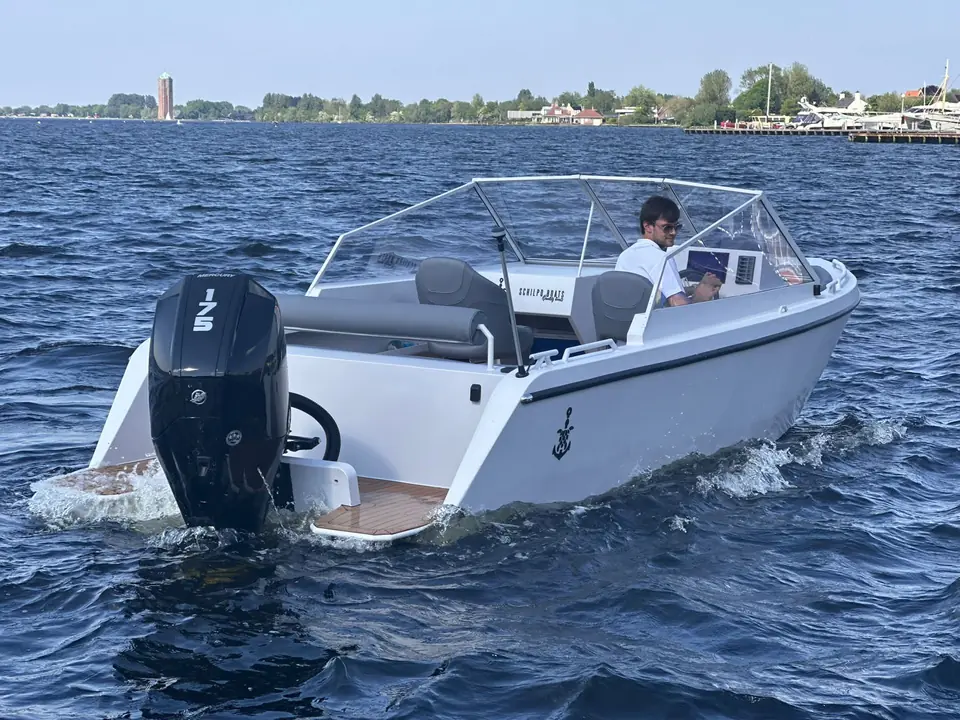
Preparing your boat for winter: a practical checklist
Winter preparation involves more than fitting a cover. Leaving the boat dry, technically checked and with a clear spring list saves unnecessary detective work when the boating season returns.
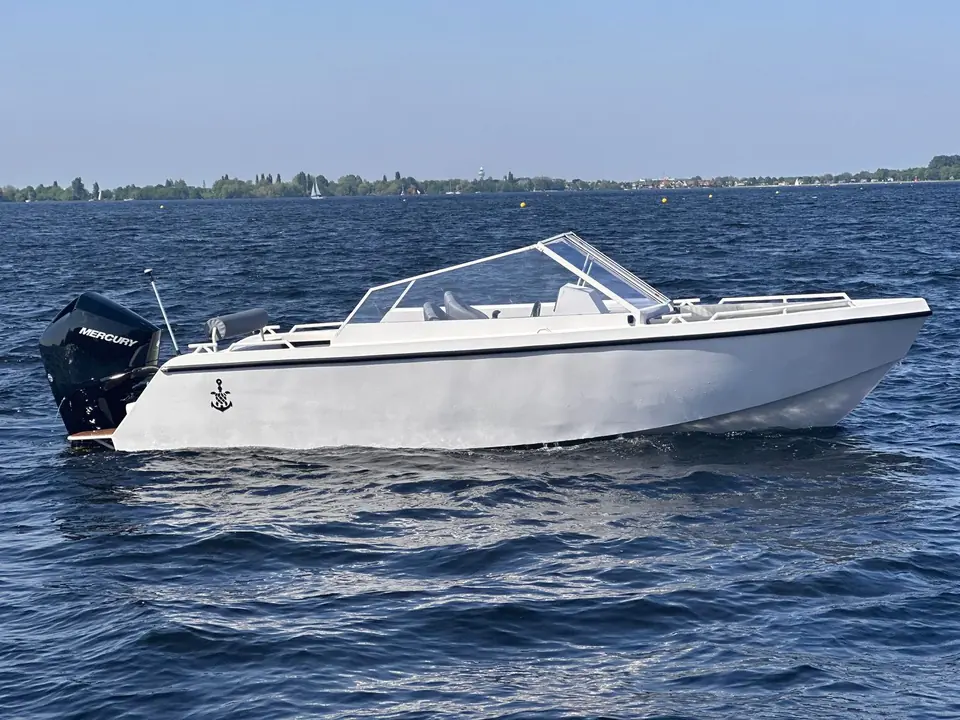
Water entering your boat: causes and initial checks
A wet bilge does not necessarily mean a major leak, but rising water must never be ignored. First establish whether the situation is stable; then search for the source methodically.

Maintaining a boat battery during winter storage
A battery can deteriorate even when it is barely used for several months. Sound preparation helps prevent loose terminals, parasitic loads and an unsuitable charging routine.